
When your teenage daughter asks you if she can go out with her friends at 10 pm, you tell her no. Not only does she have an exam tomorrow, but being out so late breaks curfew. At first, she seems rational: she tries to argue her reasons for wanting to go. When you deny her again, she becomes furious. “You just don’t love me at all!” she eventually yells. She may stomp away to her room and slam the door behind her. Chances are, she doesn’t mean that. She’s pulling at your heartstrings to get her way.
If you feel like your teen is constantly doing everything in their power to get their way, with no regard for anyone’s feelings, you may ask yourself: Do I have a manipulative teenager?
There are many reasons teens resort to unhealthy behaviors like manipulation, but you likely do not have a manipulative teen. You have a teen who is managing complex and unmanaged emotions – who just happens to be reacting with manipulation.
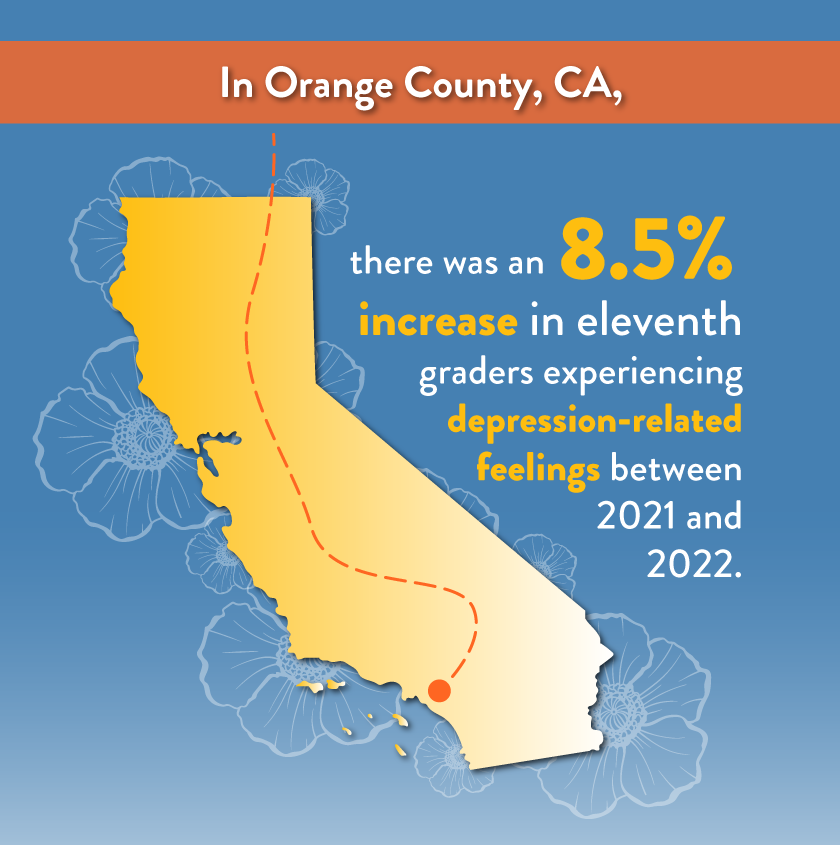
One potential cause of manipulation is an undiagnosed mental health condition, and this is common. In Orange County, CA, there was an 8.5% increase in eleventh graders experiencing depression-related feelings between 2021 and 2022. The rate was 1.5 times higher for those who are members of the LGBTQIA+ community. SoCal Youth Center aims to help teens with mental health conditions and change that statistic. Whether it’s a mental health condition or something else, if you’re stuck in a cycle of arguments and feeling manipulated by your teen, you’re probably searching for answers and solutions. We’re here to provide you with some of those answers.
When Does an Action Become Part of an Identity? The Definition of a “Manipulative” Teenager
Manipulation is when someone tries to control or influence a situation in a way that is unfair, underhanded, or immoral. Manipulation usually involves clever “strategizing” and is rarely carried out clumsily. This doesn’t mean manipulation is always intentional, but often it is.
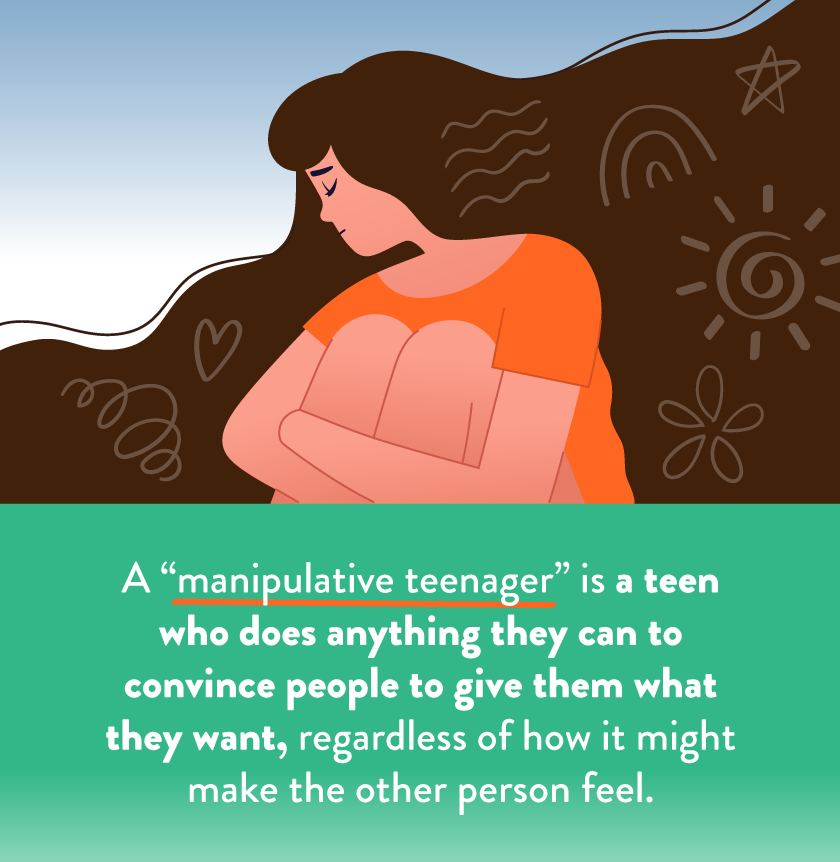
As such, a “manipulative teenager” is a teen who does anything they can to convince people to give them what they want, regardless of how it might make the other person feel. They also engage in this behavior frequently. That being said, the word “manipulative” should never be used to describe someone. It’s a behavior – it isn’t who they are as a person.
It’s important to remember that teens often become more defiant if you attach a negative label to them and they know it. For that reason, calling your adolescent a “manipulative teenager” may not be the best idea. Even if you have a teen with manipulative tendencies, they’re still your child, and they still have their own complex personality beyond their behaviors. Keeping in mind that an unhealthy behavior is just one part of your teen’s personality can help you approach the situation with more patience and empathy, which are needed to handle something this difficult.
Most teens try to manipulate their parents to get what they want to some degree. For example, it’s not uncommon for teens to lie about finishing their homework or completing their chores so they can do what they want from time to time. While that behavior does warrant a conversation, it’s part of growing up, not a sign of deeper or unhealthy tendencies. There does come a time when this behavior spirals out of control, and that’s when action is definitely needed. If manipulation keeps coming up repeatedly in most conflicts in the household, your adolescent may have a problem in this area.
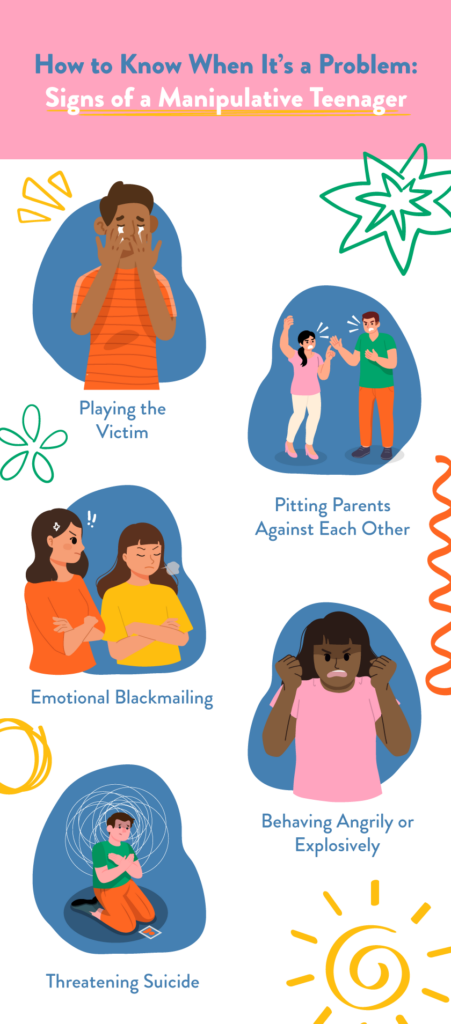
How to Know When It’s a Problem: Signs of a “Manipulative” Teenager
How do you know when your teen is just being a teen or when something deeper is going on? There are some standard behaviors to be concerned about when it comes to adolescents who manipulate others frequently. If your teen exhibits the following behaviors often, you may have a deeper problem on your hands that requires more serious intervention.
Victimizing Oneself
If your teen has manipulative tendencies, they may have trouble accepting responsibility for their actions or things they say. Instead, they’ll blame others, and maybe not even outright. It can be in an underhanded way, like playing up their own feelings and pain when they hurt someone else.
Pitting Parents Against Each Other
Teenagers may try to get one parent “on their side” while the other isn’t, initiating a conflict between you and your partner. They may even lie about what your partner said to try to convince you to let them have their way.
Emotional Blackmailing
Emotional blackmailing is when your teen tries to use your own emotions against you. They may weaponize your desire for them to be happy, saying something like, “Why won’t you let me do this? Don’t you want me to be happy?” or by giving you the “cold shoulder” until they get their way.
Angry or Explosive Episodes
Every adolescent has moody moments, but teens trying to manipulate you may be especially angry if they don’t get their way. Slamming doors, stomping feet, yelling, and sometimes even threats against parents are all frequent in teens with manipulative tendencies.
Threatening Suicide
Threatening suicide is one of the most frightening manipulation tactics a young person might try, and that makes it extra difficult to deal with. Even if your teen threatens suicide if they don’t get their way, don’t give in. However, you should always take threats of suicide seriously. Make sure you stay with them and get them mental healthcare as soon as possible.
Causes of Controlling or Manipulative Behavior in Teens
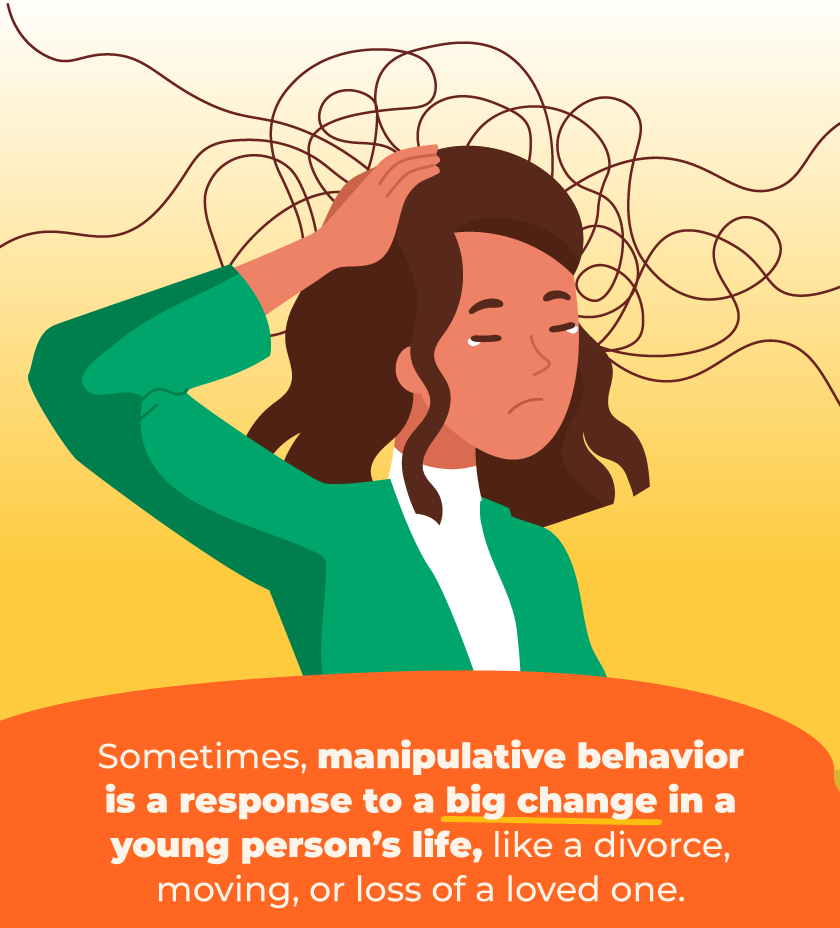
Sometimes, teenagers aren’t very self-aware and don’t even realize they’re manipulating you. Some are. Either way, this behavior comes from the adolescent feeling like they need something. Usually, this need extends far beyond whatever they’re trying to manipulate you into at the moment.
For example, a teen may want to go out with friends when they haven’t done their homework. At that moment, the desire is to hang out with friends. Underlying that may be a need for belonging and acceptance that they prioritize above everything else in their life.
Sometimes, manipulative behavior is a response to a big change in a young person’s life, like a divorce, moving, or the loss of a loved one. Another influence is conflict between friends or parents. Trouble in school can also contribute, whether it’s their school performance or instances of bullying. All of these can cause emotional upheaval for teens that manifests through behavior.
These underlying needs are another reason why labeling someone as a “manipulative teenager” isn’t helpful. Think of them instead as a young person trying desperately to fill an unmet need in an unhealthy way. Sometimes, mental health conditions are a factor in these situations, too.
Associations Between Manipulative Teenage Behavior and Mental Health Conditions
Manipulation may emerge as a result of a teen’s poor mental health. Often, trauma can trigger manipulative tendencies. Manipulative behavior is common in those with personality disorders, like borderline personality disorder and others. Even depression and anxiety can contribute to manipulative tendencies.
If you can’t resolve the situation involving your teen’s behavior, and the problem keeps coming back again and again, they could benefit from teen mental health treatment. Even if they don’t have a diagnosable mental health condition, therapy can empower them to manage their emotions and desires more healthily.
How to Manage Manipulative Behaviors in Your Teenager
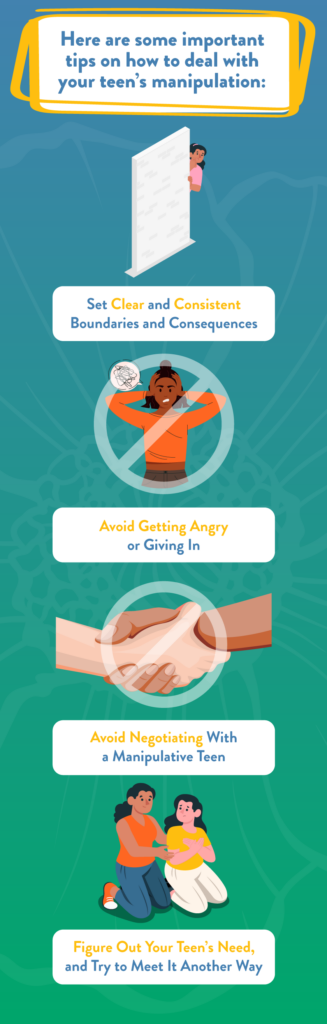
Learning about your teen’s potential motives behind acting manipulative is helpful, but it doesn’t help you remedy the situation. Here are some important tips on how to deal with your teen’s manipulation:
Set Clear and Consistent Boundaries and Consequences
Having a clear set of rules will not only help you deal with your teen’s behavior, but it will help them learn to do better. Ensure you set and communicate these boundaries to the entire family so they’re clear and warn of the consequences of breaking them. When a teen inevitably pushes the boundary to its limit or crosses it, make sure to remain true to your word and dole out the necessary consequences.
You’ll probably need to re-emphasize the boundaries over and over again because even the most well-behaved teens tend to test what they can get away with. Remaining steadfast in this area is important because if teens learn that there are loopholes or wiggle room in the rules, they’ll usually do what they can to take advantage of it.
Avoid Getting Angry or Giving In
It’s easy to let your emotions get the best of you in the heat of the moment, but staying calm and level-headed when dealing with your teen’s behavior is vital. Getting angry can cause you to make rash decisions regarding your child’s behavior and put a strain on your relationship.
Dealing with these kinds of actions can be frustrating, especially when your teen tries to take advantage of your emotions. Remember, the best way to help your teen learn is by consistently sticking to your set rules. Don’t give in and do what they’re trying to manipulate you into, no matter how tempting it may be. That just reinforces the behavior.
Avoid Negotiating With a Manipulative Teen
Negotiation can be another temptation when it comes to teens trying to get what they want. Trying to compromise may seem like a good option, but doing so actually gives a lot of control over to your teen in the situation, putting you at a disadvantage. Teens with manipulative tendencies will likely agree to whatever they think will get them what they want and then not uphold their end of the bargain. It’s best to just stick to the boundaries you set and not budge on them.
Figure Out Your Teen’s Need and Try to Meet It Another Way
Despite being on their way to adulthood, adolescents are still figuring a lot out about life. One of those things is how to meet their own needs healthily. If a teen is going through some kind of emotional pain, it can be even more difficult for them to think through a situation and determine the most appropriate way to get what they need. The additional mental and emotional strain can cause them to default to an “any-means-necessary” approach.
Remember their potential reasons for acting this way, and if you aren’t sure, don’t be afraid to ask them. They may not react well, but it’s still a good idea to try and let your teen know that even though you won’t tolerate any manipulation, you’re still there to love and support them. Saying, “This behavior isn’t acceptable, but I want to help you. Is there something else bothering you?” is a good place to start. Make sure to approach the situation with empathy, and if your child opens up, listen to them closely.
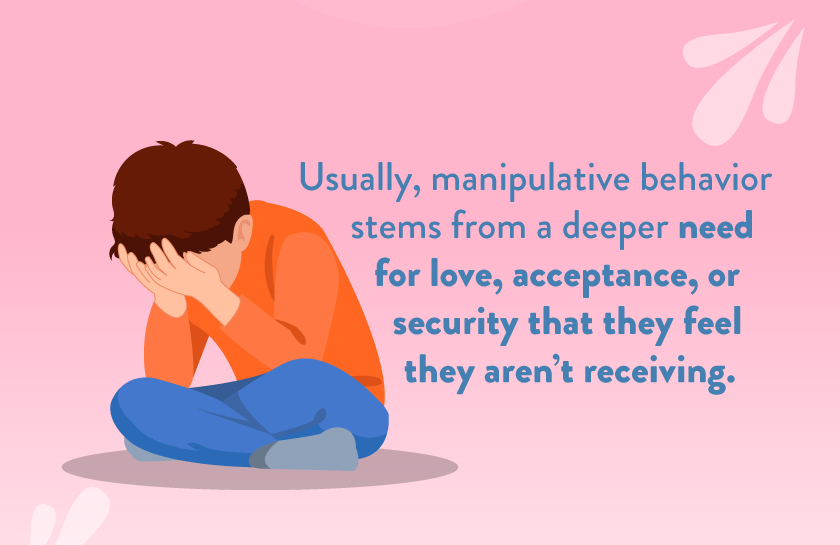
Usually, manipulative behavior stems from a deeper need for love, acceptance, or security that they feel they aren’t receiving. Chances are, the teen may not be aware of this. It’s your role to figure it out with them and figure out a more productive way to meet those needs.
When Teen Mental Health Treatment Is Necessary
Sometimes, all of the tips in the world aren’t enough, and a mental health condition is the root cause of a teen’s behavior. Untreated mental health conditions can put a strain on the family as a whole, but remember, they can cause even more challenges for the teen living with them. They can be painful.
Even if your teen doesn’t have a mental health condition, seeking professional help to manage unhealthy behaviors is a good idea. A mental health professional can help you get to the root of your teen’s unhealthy tendencies and address them in a way that is best for the family as a whole. It may be a difficult step now, but if your teen doesn’t appreciate receiving mental healthcare at the moment, they probably will down the line. It will change their life for the better.

SoCal Youth Center is located in Orange County and works with children and teens between the ages of 8 and 19. Our facility is owned by the psychiatrists who run it, ensuring your teen gets expert care. Call us today at 714-716-5044 for more on what we can do for you and your child.
SoCal Youth Center: Celebrating diversity, embracing unity.
Click to copy and share:
